 VertexModeler
Loading environment
Loading environment
Blender Workflow
A production-minded path from references and scale to materials, lighting, review, and delivery.
Continue learning
 Blender Workflow
A safe checklist for connecting EasyCore, installing tools, reading progress, and recovering from interrupted updates.
Read guideInterior visualization becomes predictable when every decision is checked in the right order. This workflow keeps dimensions, assets, materials, and lighting connected, so late changes do not force a rebuild. This handbook keeps action, mechanism, and acceptance evidence on one production path. The aim is not to memorize menus. It is to let another artist reach the same conclusion from the same inputs, identify a version boundary, locate a failure, and recover without damaging the source.
Validated with Blender 5.2.0 LTS. The collection and data-block principles also apply to Blender 4.5 LTS, although command placement and defaults can differ. “Verified” means the written condition was checked against that version, repository behavior, primary specification, or named target. It does not promise that an arbitrary third-party exporter or viewer preserves the same capability. Easy-series statements are constrained by manifests, implementation, unit tests, and Blender 5.2 smoke evidence.
Interior visualization becomes predictable when every decision is checked in the right order. This workflow keeps dimensions, assets, materials, and lighting connected, so late changes do not force a rebuild. The deliverable is more than a good render or a file that opens once. It includes replayable steps, stage gates, diagnostic notes, a dependency inventory, and target-side evidence. Success that cannot be reproduced in a clean environment remains a possible cache or workstation artifact.
Representative input with units, dimensions, provenance, and one known failing control
An untouched high-quality source plus separate diagnostic, interchange, and delivery copies
Full Blender, Easy extension, exporter, and target-viewer version records
A writable staging root, dependency inventory, acceptance matrix, and rollback points
A neutral light rig, close diagnostic camera, and final delivery camera
Before starting A Complete Blender Workflow for Interior Design, duplicate the source and hash critical inputs. Record the operating system, build, target format, viewer, and case budget together. When results diverge, that evidence separates content, tool, and environment changes instead of asking the team to reason across moving variables.
Principle 1: Set units and a real-world scale before modeling. Bind it to an observable signal and rollback point. A claim that only says the result “looks better,” without measurement or controlled comparison, is not a production gate.
Principle 2: Separate architectural structure, fixed furniture, loose furniture, lighting, and cameras. Bind it to an observable signal and rollback point. A claim that only says the result “looks better,” without measurement or controlled comparison, is not a production gate.
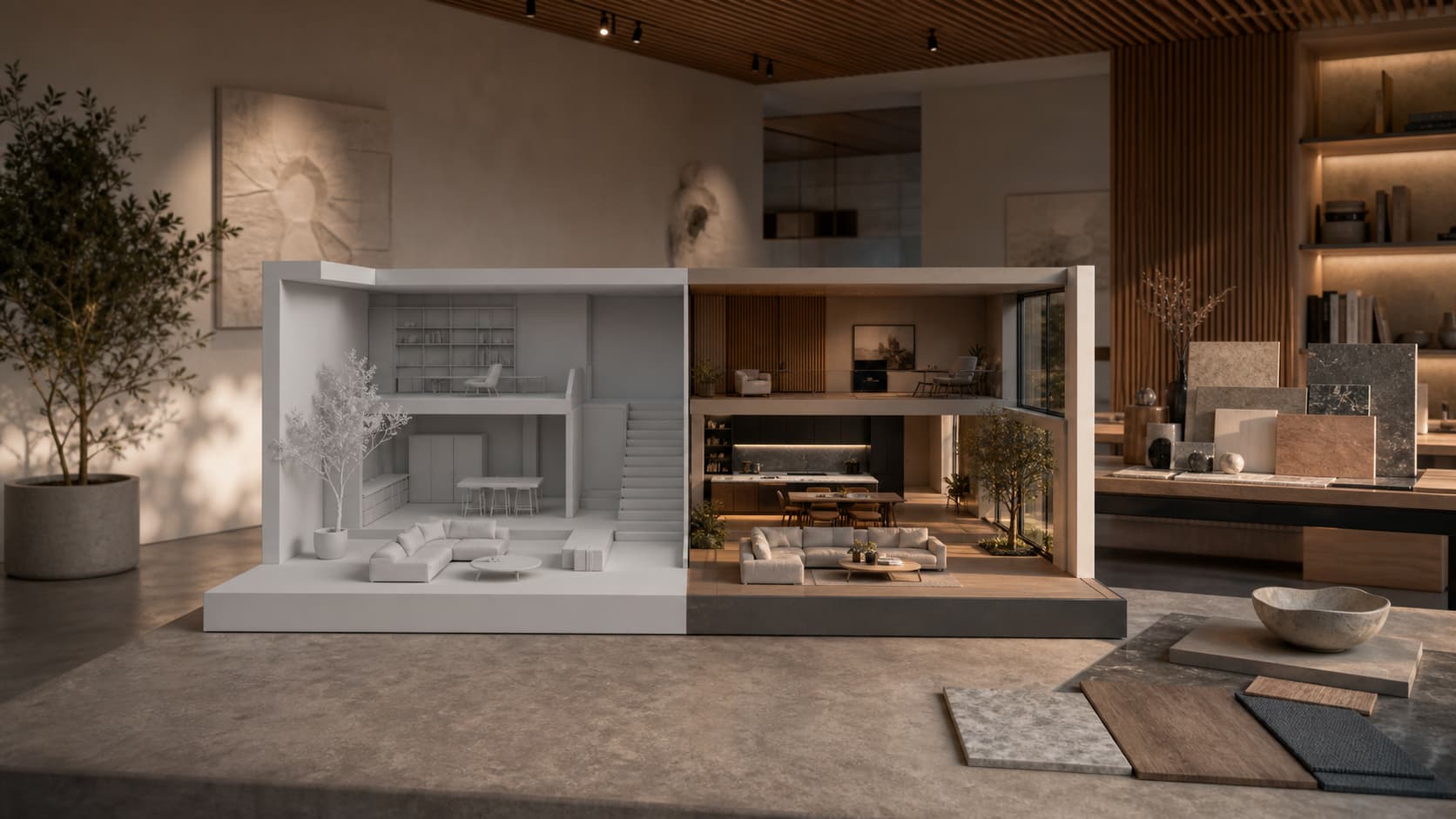
Principle 3: Validate the room in a neutral clay material before adding decoration. Bind it to an observable signal and rollback point. A claim that only says the result “looks better,” without measurement or controlled comparison, is not a production gate.
Principle 4: Use linked or library assets for objects that may be revised. Bind it to an observable signal and rollback point. A claim that only says the result “looks better,” without measurement or controlled comparison, is not a production gate.
Principle 5: Keep one review camera and one diagnostic camera. Bind it to an observable signal and rollback point. A claim that only says the result “looks better,” without measurement or controlled comparison, is not a production gate.
Principle 6: Package only after checking paths, transforms, normals, and unused data. Bind it to an observable signal and rollback point. A claim that only says the result “looks better,” without measurement or controlled comparison, is not a production gate.
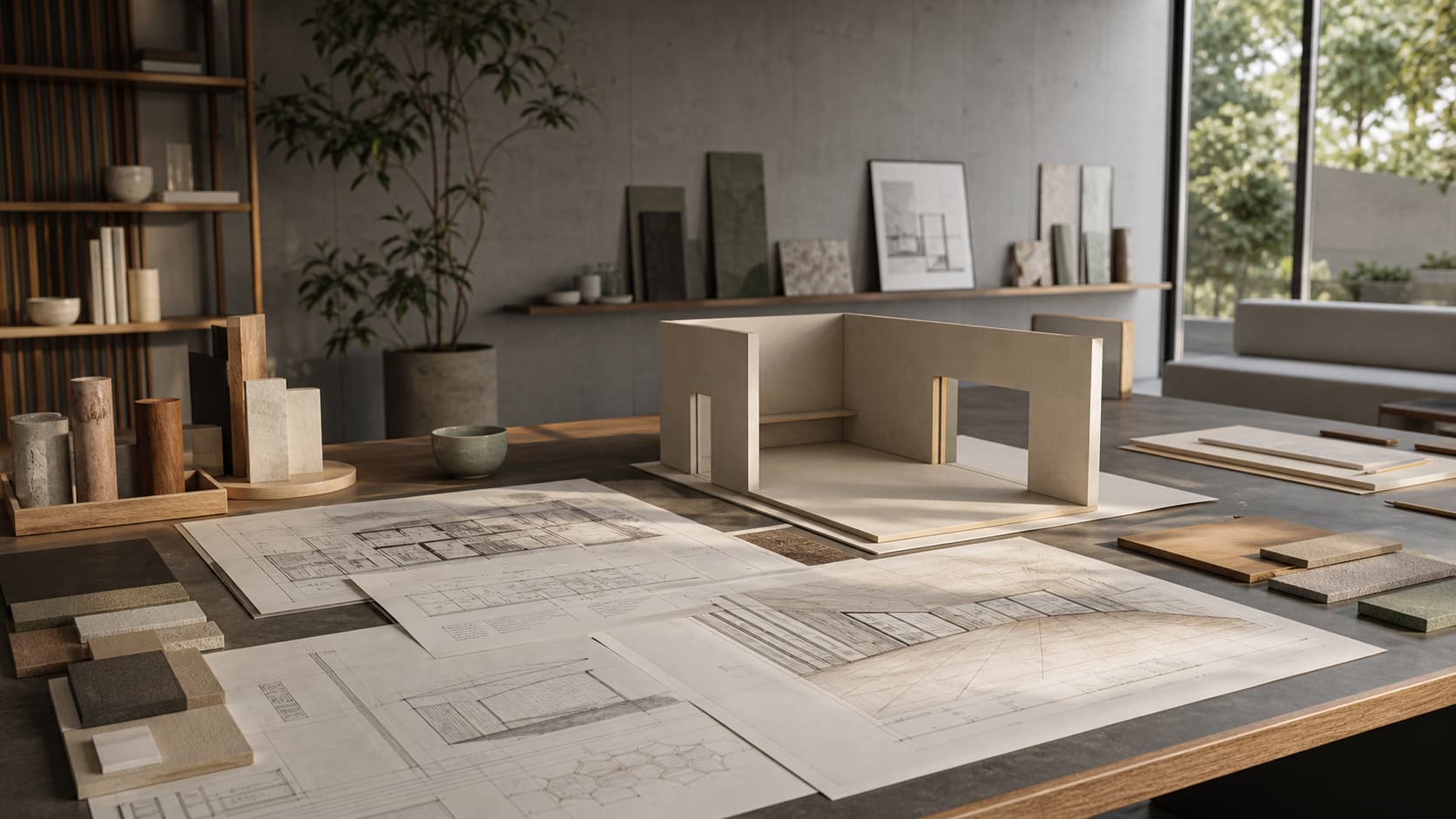
The worked case is a 6.4 m × 8.2 m living–dining room with a 2.7 m ceiling, one 2.4 m window opening, a 0.90 m circulation route, timber joinery, limestone flooring, upholstered seating, and two required cameras. A shelving revision arrives after clay review, so the scene must absorb a real change without rebuilding its shell. The case retains a failing control so the team can distinguish a genuinely correct workflow from a result that merely happens to work. Its values are case acceptance targets, not universal standards; a different camera, device, license, or delivery format requires a new budget.
The diagram connects the eight A Complete Blender Workflow for Interior Design stages to explicit gates. Arrows describe dependencies, not a ban on iteration. When diagnosis disproves an upstream assumption, return to the earliest stage that owns that variable, correct it, and replay every dependent gate.

Action. Freeze the acceptance target: Interior visualization becomes predictable when every decision is checked in the right order. This workflow keeps dimensions, assets, materials, and lighting connected, so late changes do not force a rebuild. Give this stage one owner and one observable output. Work on the smallest representative part first; expanding an unverified operation across the project only multiplies uncertainty. Save a checkpoint before changing topology, file paths, color interpretation, hierarchy, or exporter state.
Control the variables. Metric units, Unit Scale 1.0, and one Blender meter per real meter. The governing principle is: Set units and a real-world scale before modeling. In A Complete Blender Workflow for Interior Design, treat it as a measurable production rule rather than general advice. Record the relevant dimension, path, data-block, material channel, object count, or target result beside the file so another artist can reproduce the decision without memory.
Understand the mechanism. Establish the input baseline before judging processing. “Metric units, Unit Scale 1.0, and one Blender meter per real meter” is the factual anchor for this stage. Compare an untouched sample with the working copy under identical conditions and attribute only the change introduced here.
Stage gate. Acceptance is Room dimensions match the source plan. Capture evidence appropriate to the claim: a measurement, Outliner snapshot, path inventory, neutral render, validator report, re-import, or target-viewer comparison. The known trap is: Detailing before the shell is approved creates avoidable rework. If the gate fails, return to the earliest stage that owns the fault instead of compensating downstream.
Action. Collect a measured plan, elevations, material references, and a short list of required views. Give this stage one owner and one observable output. Work on the smallest representative part first; expanding an unverified operation across the project only multiplies uncertainty. Save a checkpoint before changing topology, file paths, color interpretation, hierarchy, or exporter state.
Control the variables. Opening and ceiling dimensions checked against the approved drawings. The governing principle is: Separate architectural structure, fixed furniture, loose furniture, lighting, and cameras. In A Complete Blender Workflow for Interior Design, treat it as a measurable production rule rather than general advice. Record the relevant dimension, path, data-block, material channel, object count, or target result beside the file so another artist can reproduce the decision without memory.
Understand the mechanism. Structure can remain wrong while the beauty view looks plausible. “Opening and ceiling dimensions checked against the approved drawings” turns ownership into an inspectable condition. Verify it in the hierarchy, data-block graph, or directory layer before visual refinement expands the cost of correction.
Stage gate. Acceptance is All applied transforms are intentional. Capture evidence appropriate to the claim: a measurement, Outliner snapshot, path inventory, neutral render, validator report, re-import, or target-viewer comparison. The known trap is: Using only the beauty camera hides intersections and missing backs. If the gate fails, return to the earliest stage that owns the fault instead of compensating downstream.
Action. Block walls, floor, ceiling, doors, and windows with simple geometry and named dimensions. Give this stage one owner and one observable output. Work on the smallest representative part first; expanding an unverified operation across the project only multiplies uncertainty. Save a checkpoint before changing topology, file paths, color interpretation, hierarchy, or exporter state.
Control the variables. The documented 0.90 m clear circulation route remains unobstructed. The governing principle is: Validate the room in a neutral clay material before adding decoration. In A Complete Blender Workflow for Interior Design, treat it as a measurable production rule rather than general advice. Record the relevant dimension, path, data-block, material channel, object count, or target result beside the file so another artist can reproduce the decision without memory.
Understand the mechanism. Preparation converts hidden state into recorded state. “The documented 0.90 m clear circulation route remains unobstructed” defines the coordinate, path, or interpretation that later operations consume. Preserve before-and-after values and reproduce the premise in a clean representative sample.
Stage gate. Acceptance is Texture scale is consistent between materials. Capture evidence appropriate to the claim: a measurement, Outliner snapshot, path inventory, neutral render, validator report, re-import, or target-viewer comparison. The known trap is: Unrealistic light power can disguise weak material values. If the gate fails, return to the earliest stage that owns the fault instead of compensating downstream.
Action. Lock the approved shell, then place furniture by circulation and sightline rather than by filling empty space. Give this stage one owner and one observable output. Work on the smallest representative part first; expanding an unverified operation across the project only multiplies uncertainty. Save a checkpoint before changing topology, file paths, color interpretation, hierarchy, or exporter state.
Control the variables. Collections separate shell, fixed joinery, loose furniture, lights, and cameras. The governing principle is: Use linked or library assets for objects that may be revised. In A Complete Blender Workflow for Interior Design, treat it as a measurable production rule rather than general advice. Record the relevant dimension, path, data-block, material channel, object count, or target result beside the file so another artist can reproduce the decision without memory.
Understand the mechanism. Keep the core operation single-variable. “Collections separate shell, fixed joinery, loose furniture, lights, and cameras” is the only control allowed to move in this comparison; camera, exposure, caches, and unrelated branches remain fixed. A repeatable response establishes causality.
Stage gate. Acceptance is Primary camera reads clearly in clay mode. Capture evidence appropriate to the claim: a measurement, Outliner snapshot, path inventory, neutral render, validator report, re-import, or target-viewer comparison. The known trap is: Packing without a clean project folder makes later updates harder. If the gate fails, return to the earliest stage that owns the fault instead of compensating downstream.

Action. Assign physically plausible PBR materials and verify scale on a close crop before copying them across the scene. Give this stage one owner and one observable output. Work on the smallest representative part first; expanding an unverified operation across the project only multiplies uncertainty. Save a checkpoint before changing topology, file paths, color interpretation, hierarchy, or exporter state.
Control the variables. Every material repeat is compared with a measured physical feature. The governing principle is: Keep one review camera and one diagnostic camera. In A Complete Blender Workflow for Interior Design, treat it as a measurable production rule rather than general advice. Record the relevant dimension, path, data-block, material channel, object count, or target result beside the file so another artist can reproduce the decision without memory.
Understand the mechanism. Critical detail usually fails at boundaries rather than in a front view. Inspect “Every material repeat is compared with a measured physical feature” close up, at a grazing angle, or across a hierarchy boundary, then compare that evidence with the approved delivery camera.
Stage gate. Acceptance is No light or asset sits outside its collection. Capture evidence appropriate to the claim: a measurement, Outliner snapshot, path inventory, neutral render, validator report, re-import, or target-viewer comparison. The known trap is: Detailing before the shell is approved creates avoidable rework. If the gate fails, return to the earliest stage that owns the fault instead of compensating downstream.
Action. Establish daylight or an HDRI first, then add practical and accent lights with restrained intensity. Give this stage one owner and one observable output. Work on the smallest representative part first; expanding an unverified operation across the project only multiplies uncertainty. Save a checkpoint before changing topology, file paths, color interpretation, hierarchy, or exporter state.
Control the variables. Clay approval precedes final camera lock and decorative detailing. The governing principle is: Package only after checking paths, transforms, normals, and unused data. In A Complete Blender Workflow for Interior Design, treat it as a measurable production rule rather than general advice. Record the relevant dimension, path, data-block, material channel, object count, or target result beside the file so another artist can reproduce the decision without memory.
Understand the mechanism. A correct/error pair must share its inputs. Lock every condition except “Clay approval precedes final camera lock and decorative detailing” and save the same camera, exposure, and target-viewer result. The comparison then demonstrates the rule instead of two unrelated scene states.
Stage gate. Acceptance is External files resolve from the delivery folder. Capture evidence appropriate to the claim: a measurement, Outliner snapshot, path inventory, neutral render, validator report, re-import, or target-viewer comparison. The known trap is: Using only the beauty camera hides intersections and missing backs. If the gate fails, return to the earliest stage that owns the fault instead of compensating downstream.
Action. Review silhouettes, clearances, reflections, texture density, and render noise before final output. Give this stage one owner and one observable output. Work on the smallest representative part first; expanding an unverified operation across the project only multiplies uncertainty. Save a checkpoint before changing topology, file paths, color interpretation, hierarchy, or exporter state.
Control the variables. One dominant daylight/environment direction precedes practical lights. The governing principle is: Set units and a real-world scale before modeling. In A Complete Blender Workflow for Interior Design, treat it as a measurable production rule rather than general advice. Record the relevant dimension, path, data-block, material channel, object count, or target result beside the file so another artist can reproduce the decision without memory.
Understand the mechanism. Diagnosis starts at the earliest stage that owns the variable. Use “One dominant daylight/environment direction precedes practical lights” as the smallest falsifiable test; if it fails, move upstream, and if it passes, restore materials, lights, modifiers, paths, and export settings one at a time.
Stage gate. Acceptance is Room dimensions match the source plan. Capture evidence appropriate to the claim: a measurement, Outliner snapshot, path inventory, neutral render, validator report, re-import, or target-viewer comparison. The known trap is: Unrealistic light power can disguise weak material values. If the gate fails, return to the earliest stage that owns the fault instead of compensating downstream.
Action. Run the final A Complete Blender Workflow for Interior Design validation from the delivery package and archive the evidence. Give this stage one owner and one observable output. Work on the smallest representative part first; expanding an unverified operation across the project only multiplies uncertainty. Save a checkpoint before changing topology, file paths, color interpretation, hierarchy, or exporter state.
Control the variables. Delivery reopens while the original Source folder is unavailable. The governing principle is: Separate architectural structure, fixed furniture, loose furniture, lighting, and cameras. In A Complete Blender Workflow for Interior Design, treat it as a measurable production rule rather than general advice. Record the relevant dimension, path, data-block, material channel, object count, or target result beside the file so another artist can reproduce the decision without memory.
Understand the mechanism. The final gate validates the deliverable rather than the authoring workstation. Evidence for “Delivery reopens while the original Source folder is unavailable” must come from the final root, a re-imported file, or the named target while source paths, caches, and temporary copies are unavailable.
Stage gate. Acceptance is All applied transforms are intentional. Capture evidence appropriate to the claim: a measurement, Outliner snapshot, path inventory, neutral render, validator report, re-import, or target-viewer comparison. The known trap is: Packing without a clean project folder makes later updates harder. If the gate fails, return to the earliest stage that owns the fault instead of compensating downstream.
Stage | Acceptance | Evidence |
|---|---|---|
1 | Room dimensions match the source plan | Reproducible evidence saved |
2 | All applied transforms are intentional | Reproducible evidence saved |
3 | Texture scale is consistent between materials | Reproducible evidence saved |
4 | Primary camera reads clearly in clay mode | Reproducible evidence saved |
5 | No light or asset sits outside its collection | Reproducible evidence saved |
6 | External files resolve from the delivery folder | Reproducible evidence saved |
7 | Room dimensions match the source plan | Reproducible evidence saved |
8 | All applied transforms are intentional | Reproducible evidence saved |
A A Complete Blender Workflow for Interior Design reviewer must locate each item without asking the author and determine which source, version, and target it represents. Screenshots need diagnostic context, numbers need units, and export evidence must come from the final package rather than a temporary directory.
The A Complete Blender Workflow for Interior Design method follows an “earliest responsible stage” rule. Scale errors are not camera problems, origin errors should not require a manual offset on every placement, color-space errors should not be disguised with lighting, and unsupported shader graphs should not be left for a viewer to guess. Reducing a symptom to one variable minimizes repair and regression scope.
For A Complete Blender Workflow for Interior Design, assets still need distinct authoring, interchange, and delivery states. The authoring state preserves editability. The interchange state narrows expression to what the target understands. The delivery state optimizes size, dependencies, and device constraints. Distinct copies prevent portability work from permanently degrading the master.
Failure 1: Detailing before the shell is approved creates avoidable rework. Reproduce the smallest failure, disable unrelated lights, shader branches, modifiers, caches, or external paths, and change one condition. Save a same-camera, same-exposure, same-target comparison before accepting the explanation.
Failure 2: Using only the beauty camera hides intersections and missing backs. Reproduce the smallest failure, disable unrelated lights, shader branches, modifiers, caches, or external paths, and change one condition. Save a same-camera, same-exposure, same-target comparison before accepting the explanation.
Failure 3: Unrealistic light power can disguise weak material values. Reproduce the smallest failure, disable unrelated lights, shader branches, modifiers, caches, or external paths, and change one condition. Save a same-camera, same-exposure, same-target comparison before accepting the explanation.
Failure 4: Packing without a clean project folder makes later updates harder. Reproduce the smallest failure, disable unrelated lights, shader branches, modifiers, caches, or external paths, and change one condition. Save a same-camera, same-exposure, same-target comparison before accepting the explanation.
Symptom | Most likely cause | Minimum test | Correction |
|---|---|---|---|
Detailing before the shell is approved creates avoidable rework. | Set units and a real-world scale before modeling. | Room dimensions match the source plan | Collect a measured plan, elevations, material references, and a short list of required views. |
Using only the beauty camera hides intersections and missing backs. | Separate architectural structure, fixed furniture, loose furniture, lighting, and cameras. | All applied transforms are intentional | Block walls, floor, ceiling, doors, and windows with simple geometry and named dimensions. |
Unrealistic light power can disguise weak material values. | Validate the room in a neutral clay material before adding decoration. | Texture scale is consistent between materials | Lock the approved shell, then place furniture by circulation and sightline rather than by filling empty space. |
Packing without a clean project folder makes later updates harder. | Use linked or library assets for objects that may be revised. | Primary camera reads clearly in clay mode | Assign physically plausible PBR materials and verify scale on a close crop before copying them across the scene. |

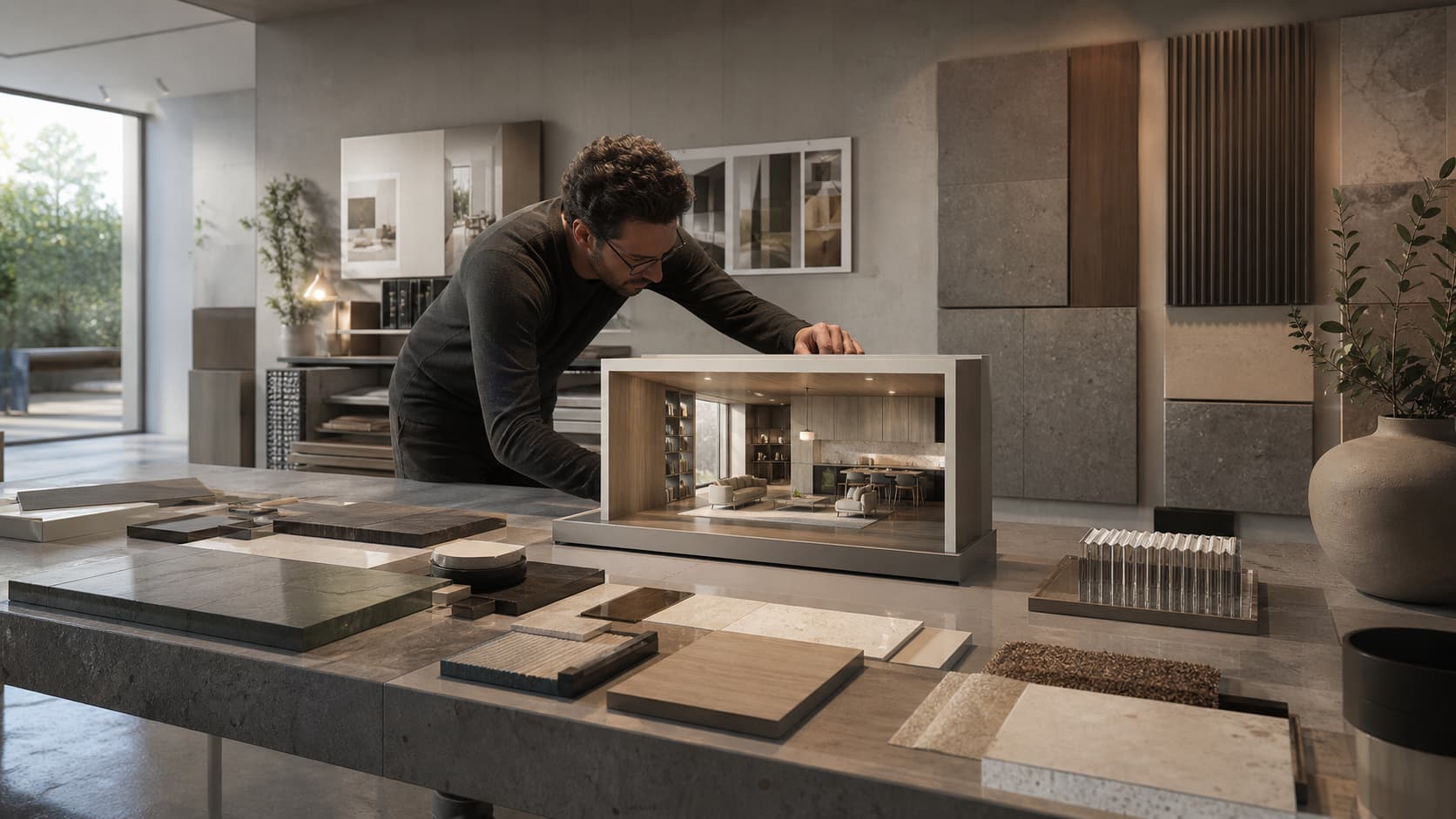
Diagnose A Complete Blender Workflow for Interior Design in this order: inputs, structure, transforms, mapping, shading, export boundary, and target. A minimum test that changes several variables is not falsifiable; reduce it. After repair, replay the critical path because local viewport success does not prove packaging, re-import, or the target viewer remains correct.
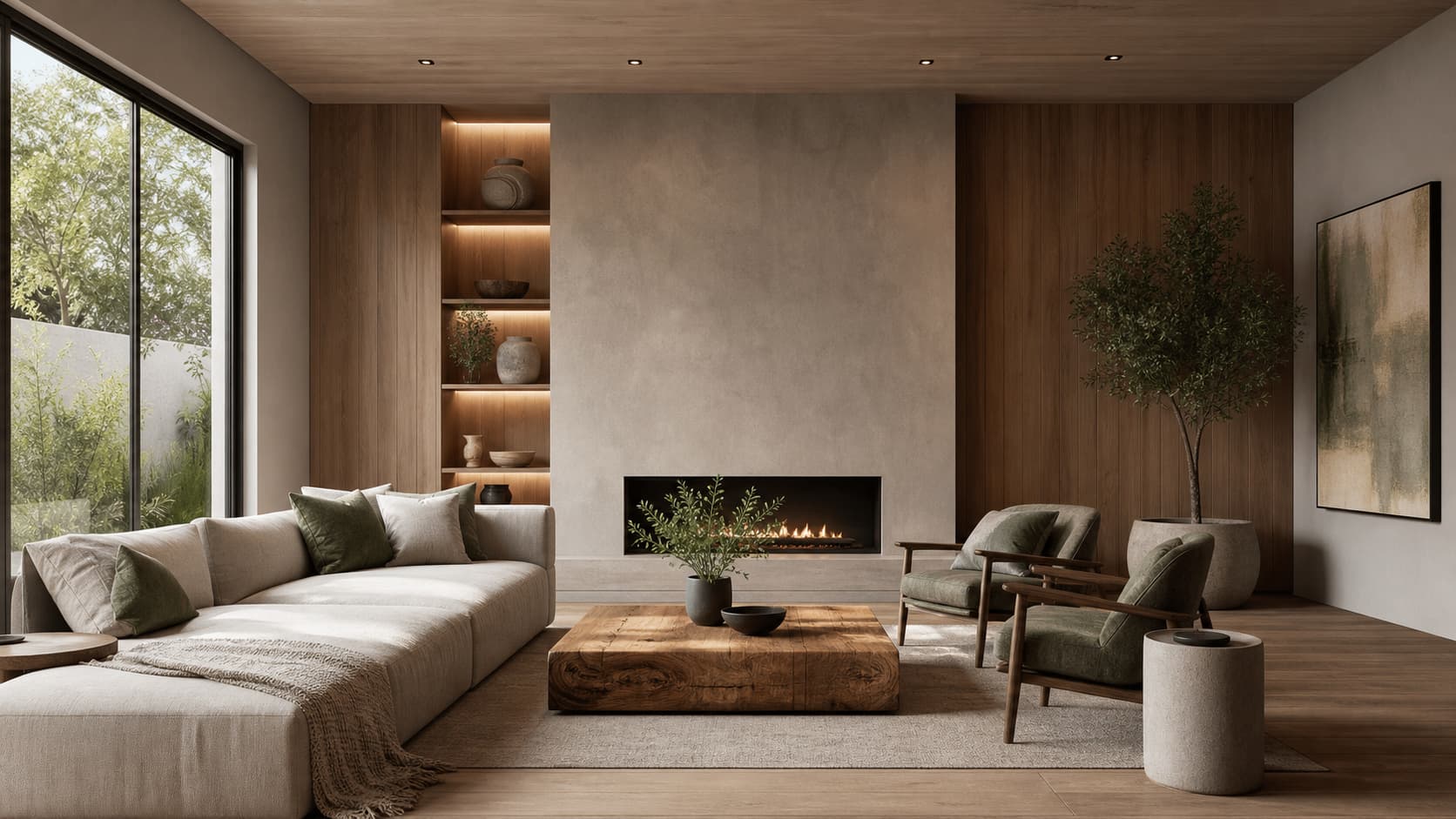
Validate the exact A Complete Blender Workflow for Interior Design file from the delivery directory while the original source path is unavailable. Record byte size, SHA-256, object and material counts, missing-dependency scan, re-import result, and target-viewer result. Interactive targets also require loading, console, and stable-frame evidence; asset libraries require drag, save, close, and reopen.
Untouched source and clearly named delivery copy
Blender, Easy extension, exporter, and target-viewer versions
Scale, transform, origin, hierarchy, material-slot, normal, and dependency checks
Reopen or re-import evidence executed from the final package
Target screenshots, validator output, file checksums, and known limitations
A delivery root containing only intentional files, without caches, backups, or helpers
These primary sources define the factual boundary for A Complete Blender Workflow for Interior Design. Blender operations point to the 5.2 manual, format guarantees point to specifications, and Easy behavior is constrained to repository version and smoke evidence.
Related tools & assets
 MODEL / FREEMetal
Add a product description.
 MODEL / PAIDChisel PBR Game Asset
A PBR process supports chisel assets with 6 LOD grading Good wiring \ high-quality textures
 MODEL / FREEKeyboard IQUNIX
A Blender 4.2+ model of an IQUNIX mechanical keyboard with gray, white, and green keycaps, delivered as a .blend file for Cycles and Eevee.